How Seasonal Changes Affect Exterior Painting in New South Wales


Understanding the Impact of Seasons on Exterior Painting
In New South Wales, the diverse climate can significantly influence exterior painting projects. The region's varying weather conditions require careful planning to ensure that paint adheres properly and lasts longer. Understanding these seasonal effects can help homeowners and contractors achieve the best results.
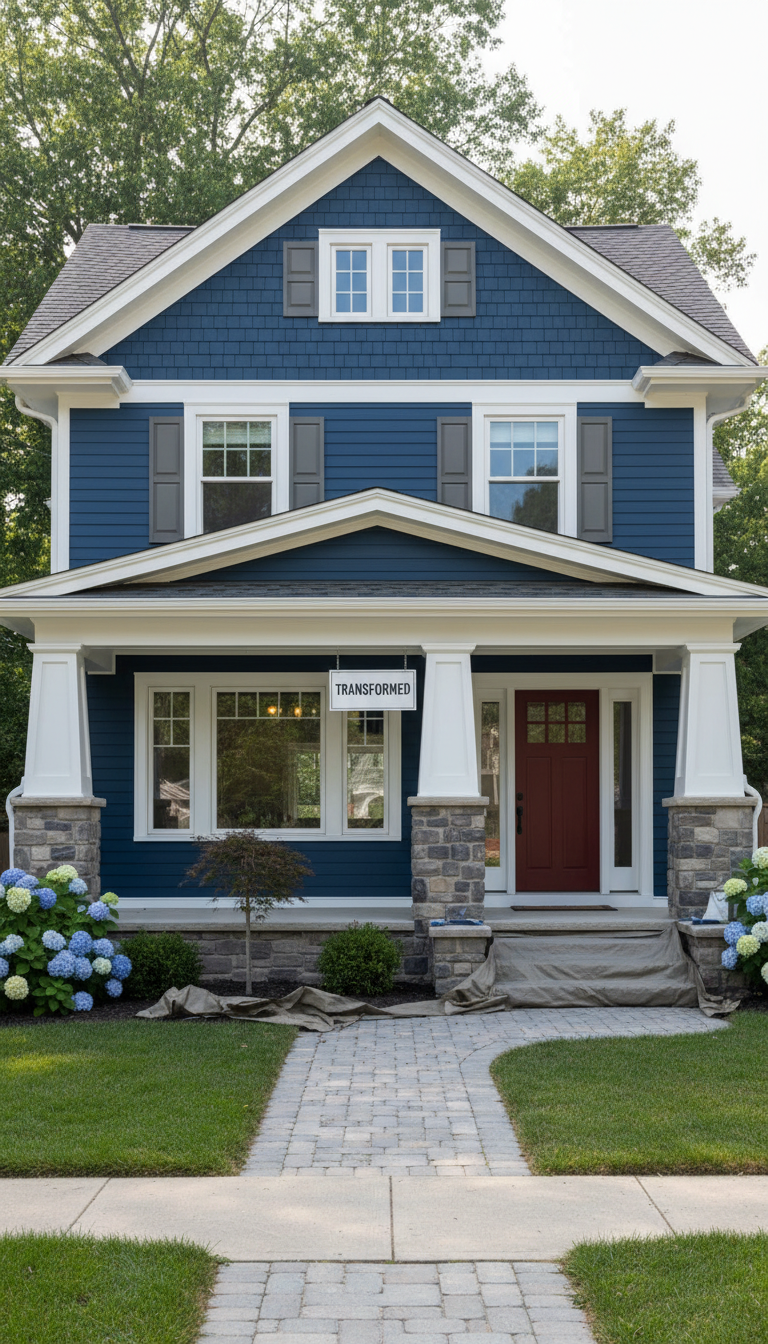
Summer: The Ideal Time for Painting
Summer is often considered the best season for exterior painting in New South Wales. The warm temperatures and lower humidity levels provide optimal conditions for paint to dry quickly and evenly. However, extreme heat can also cause paint to dry too fast, leading to cracks and uneven surfaces. It's crucial to paint during the early morning or late afternoon when temperatures are more moderate.
Another factor to consider during summer is the increased UV exposure. High UV levels can cause paint colors to fade, so choosing UV-resistant paint can help maintain the vibrancy of your exterior.

Spring and Autumn: Balancing Temperature and Humidity
Spring and autumn offer a balanced climate for exterior painting. These seasons typically have moderate temperatures and humidity levels, reducing the risk of paint drying too quickly or too slowly. Painting during these times can result in a smooth, even finish.
However, it's essential to monitor weather forecasts, as spring and autumn can bring unexpected rain. Rain can wash away fresh paint and cause streaks or spots. Planning projects around dry days is vital to avoid these issues.
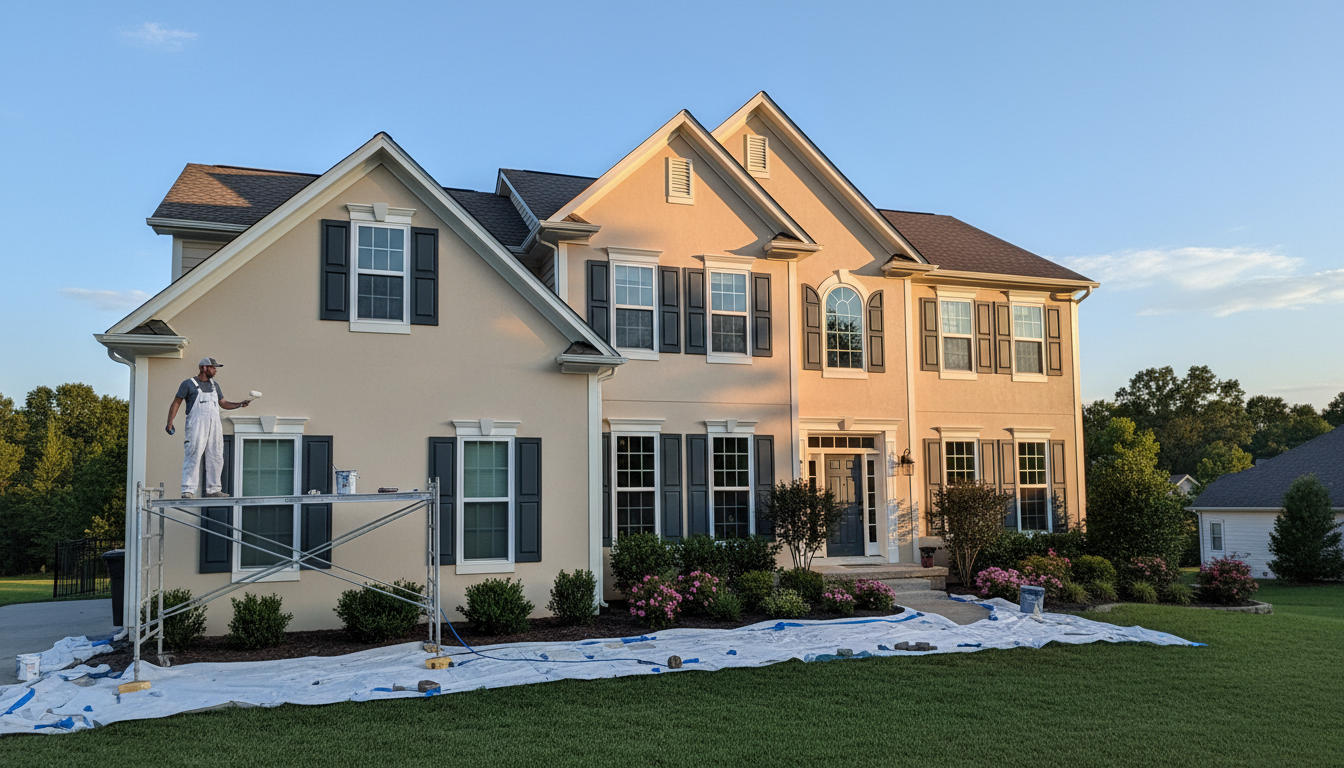
Winter: Challenges and Considerations
Winter in New South Wales presents several challenges for exterior painting. The cooler temperatures and higher humidity can slow down the drying process and affect paint adhesion. This can lead to peeling or blistering over time, reducing the longevity of the paint job.
If winter painting is unavoidable, using specially formulated cold-weather paint can help. It's also essential to choose days when the temperature is above the minimum recommended level for painting, usually around 10°C.
Weather-Proofing Your Painting Project
Regardless of the season, weather-proofing your painting project is essential for long-lasting results. Here are some tips to consider:
- Choose quality paint: High-quality paints are more resistant to weather changes and provide better coverage.
- Prepare surfaces properly: Clean and sand surfaces to ensure the paint adheres well.
- Apply primer: A good primer can enhance paint adhesion and durability.
Conclusion: Planning for Success
Understanding how seasonal changes affect exterior painting in New South Wales can help you plan and execute a successful project. By choosing the right season and taking necessary precautions, you can ensure a beautiful and long-lasting finish for your home.