DIY Painting Tips: Transform Your Space on a Budget


Prep Your Space for Success
Before diving into your DIY painting project, it's crucial to prepare your space properly. Start by clearing the area of furniture or covering items with drop cloths to protect them from paint splatters. Ensure the walls are clean and free of dust, grease, or any imperfections. This not only helps the paint adhere better but also gives a smooth, professional finish.
Don't forget to tape off areas you don't want to be painted, like trims and moldings. Use painter's tape for clean edges and to avoid any accidental brush strokes on unwanted surfaces. With a well-prepared space, you're setting the foundation for a successful painting project.

Choose the Right Paint and Tools
Selecting the right paint is essential for achieving the desired look and durability. Consider the room's function and choose a paint finish accordingly. For instance, satin or semi-gloss finishes are ideal for high-traffic areas due to their durability and ease of cleaning. For a more elegant look in bedrooms or living areas, opt for matte or eggshell finishes.
Invest in quality brushes and rollers to ensure a smooth application. A good brush will minimize stroke marks, while a high-quality roller will provide even coverage. Don't forget to pick up a paint tray and a sturdy ladder for reaching those higher spots!
Master the Technique
Now, it's time to get painting! Start by cutting in the edges with a brush, which means painting the areas that your roller won't reach, such as corners and edges near the ceiling and baseboards. This will ensure a uniform look once you start rolling the larger areas.
When using a roller, apply the paint in a "W" pattern on the wall. This technique helps to evenly distribute the paint and reduces the chances of lap marks. Work in small sections and maintain a wet edge to avoid streaks.
Choose a Color Palette Wisely
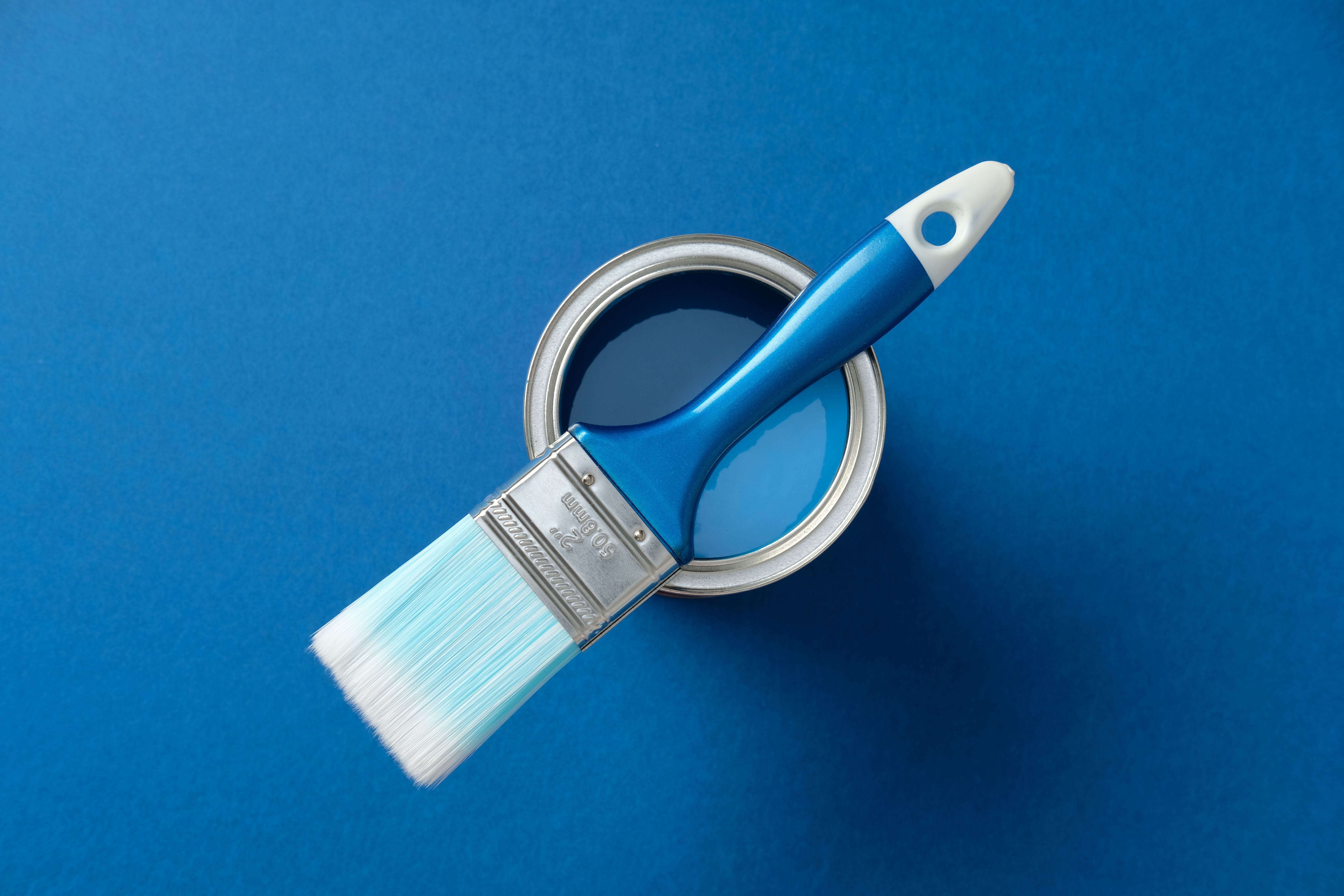
Selecting the right color palette can transform your space dramatically. Consider the mood you want to create. Soft, neutral colors can make a space feel calm and expansive, while bold, vibrant hues can add energy and personality.
Test the colors by applying small patches on your wall and observing them at different times of the day under various lighting conditions. This will help you see how the colors change and ensure you make the right choice for your space.
Consider Accent Walls
If you're looking to add depth and interest without overwhelming your space, consider painting an accent wall. This simple technique can create a focal point in any room and is an excellent way to experiment with more daring colors without committing to an entire room.
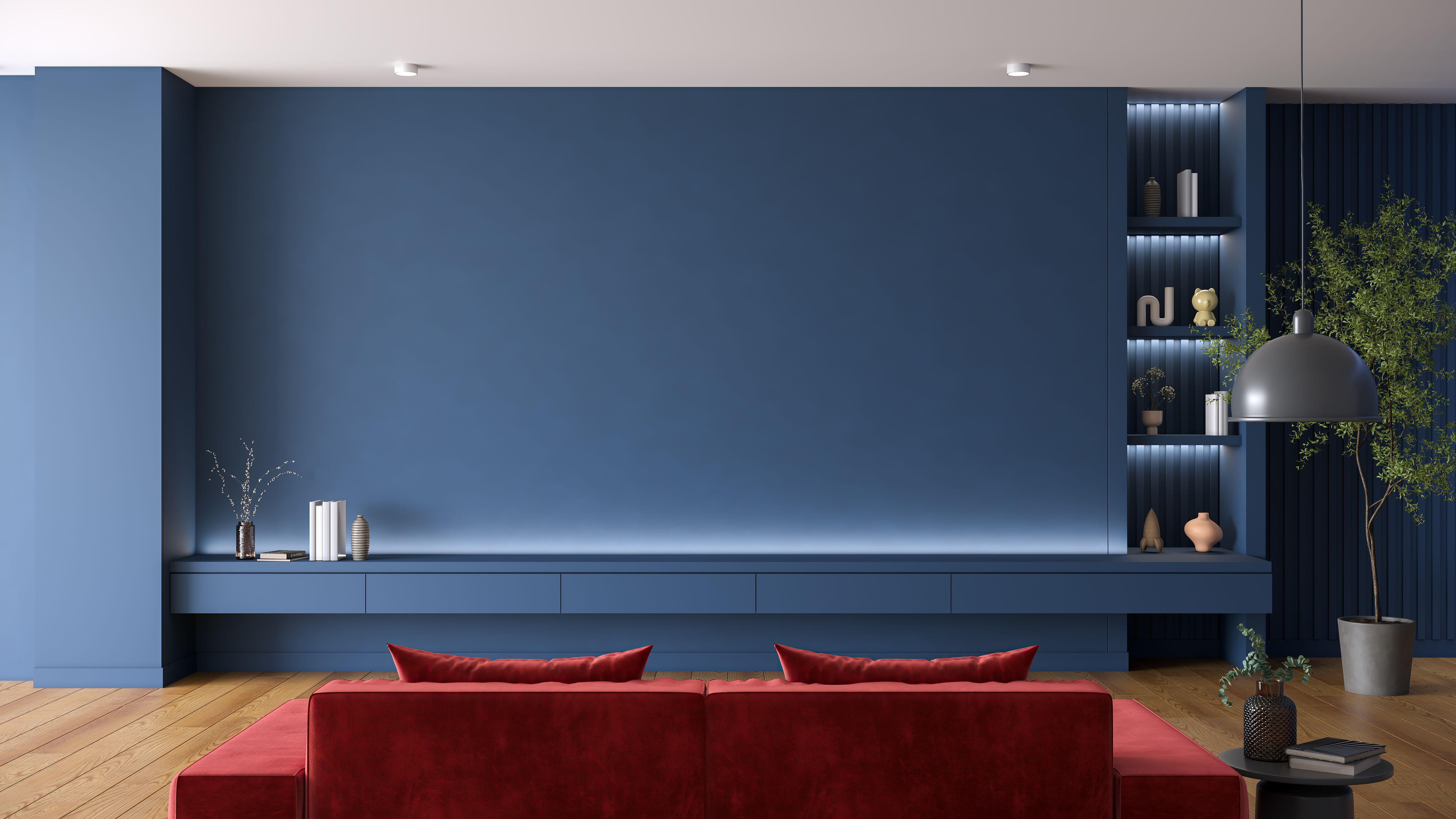
Choose a wall that naturally draws attention, such as one with a fireplace or a large piece of art. Keep the rest of the walls neutral to allow your accent wall to stand out.
Final Touches and Clean-Up
Once the painting is complete, carefully remove the painter's tape while the paint is still slightly wet to prevent peeling. Touch up any areas where the paint may have seeped under the tape or where the coverage is uneven.
After ensuring the paint is dry, move your furniture back into place and add any decorative elements to complete the transformation. Step back and admire your work! With a little effort and creativity, you've successfully transformed your space on a budget.